How to Trace Your Ancestors in England and Wales
8 July 2026
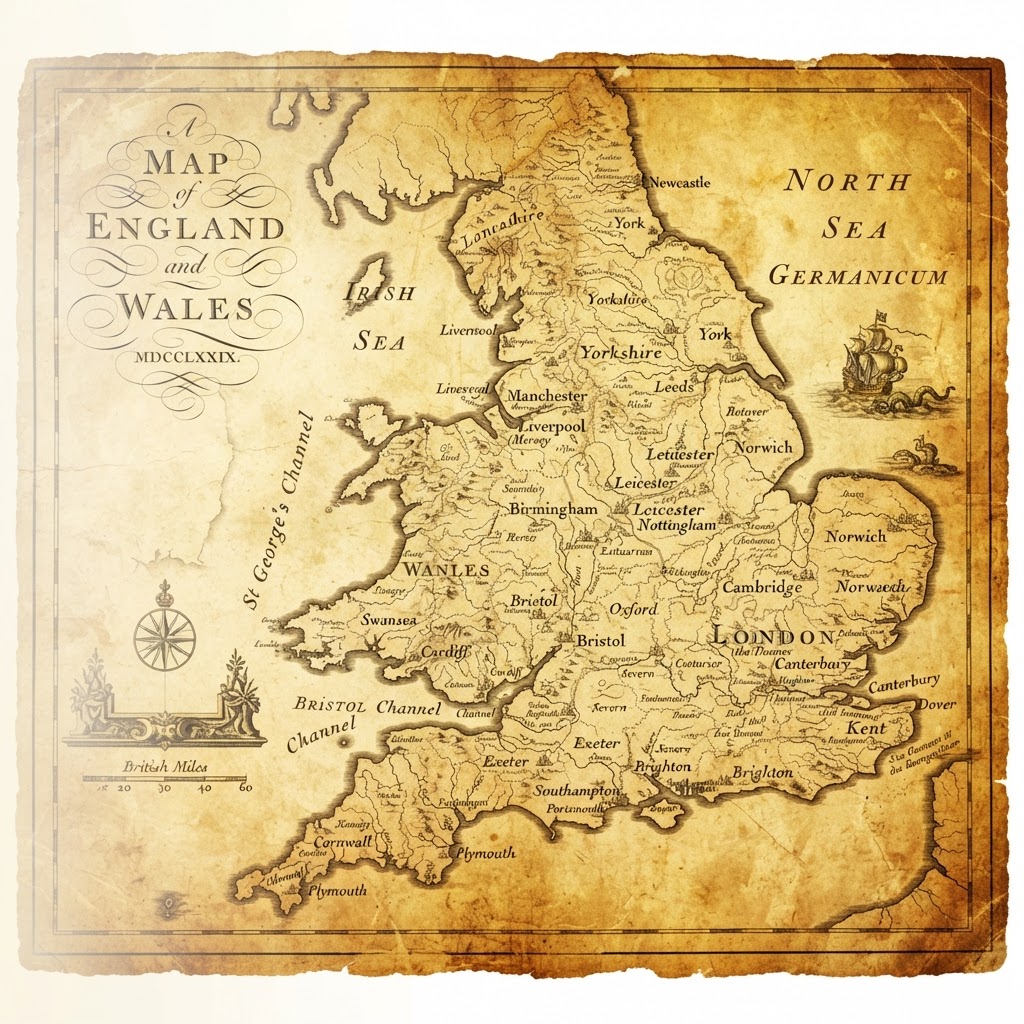
Tracing your family in England and Wales is easier than many people expect, because the records are some of the most complete in the world. The secret is to work steadily backwards, one generation at a time, proving each link before moving on.
Start with yourself and your living relatives. Write down names, dates and places, and gather any certificates, photographs, letters and family bibles. These give you the names and approximate dates you will need to search the national records.
Civil registration of births, marriages and deaths began in England and Wales in July 1837. Certificates from this period list parents, occupations and addresses, making them the backbone of most family trees.
Census returns, taken every ten years from 1841 (with the 1921 census the most recent available), show who lived in each household, their ages, occupations and birthplaces. Used alongside certificates, they let you build whole families.
Before 1837 you will turn to parish registers of baptisms, marriages and burials, as well as wills, land records and church or chapel archives. Handwriting and spelling vary widely, so read widely and keep an open mind about surname spellings.
Record every source as you go, and treat other people's online trees as clues rather than proof. If you would like help with a brick wall, our team can research the records for you.